-c8d5905d.png)
Why is Ha Giang Motoventures most loved & chosen?
Why do so many guests say it’s worth every penny!
12/16/2025 · 2 min read
View more
Think the Ha Giang Loop is only about endless shots of “happy water” and wild nights? Not quite. At Ha Giang Motoventures, we often hear travelers reduce the Loop to a boozy motorbike party. And sure, sharing a few rounds of local rice wine can be part of the fun. But if that’s all you see, you’re missing the soul of Ha Giang.
Ha Giang is one of Vietnam’s most culturally diverse provinces. According to recent statistics, it is home to 19 different ethnic groups, with nearly 90% of the population belonging to ethnic minorities, an extraordinary number compared to the rest of the country.
Here’s a snapshot of the main communities you’ll encounter on the Loop:
- Hmong – 32.9%
- Tay – 23.2%
- Dao – 14.9%
- Kinh (Vietnamese) – 12.8%
- Nung – 9.7%
- Others – including Pa Then, Giay, Lo Lo, La Chi, Pu Peo, and more
Each group speaks its own language, wears distinctive traditional clothing, and preserves customs shaped by centuries of life in the mountains. Riding the Ha Giang Loop isn’t just a journey through landscapes it’s a journey through cultures.
Let’s meet one of them.
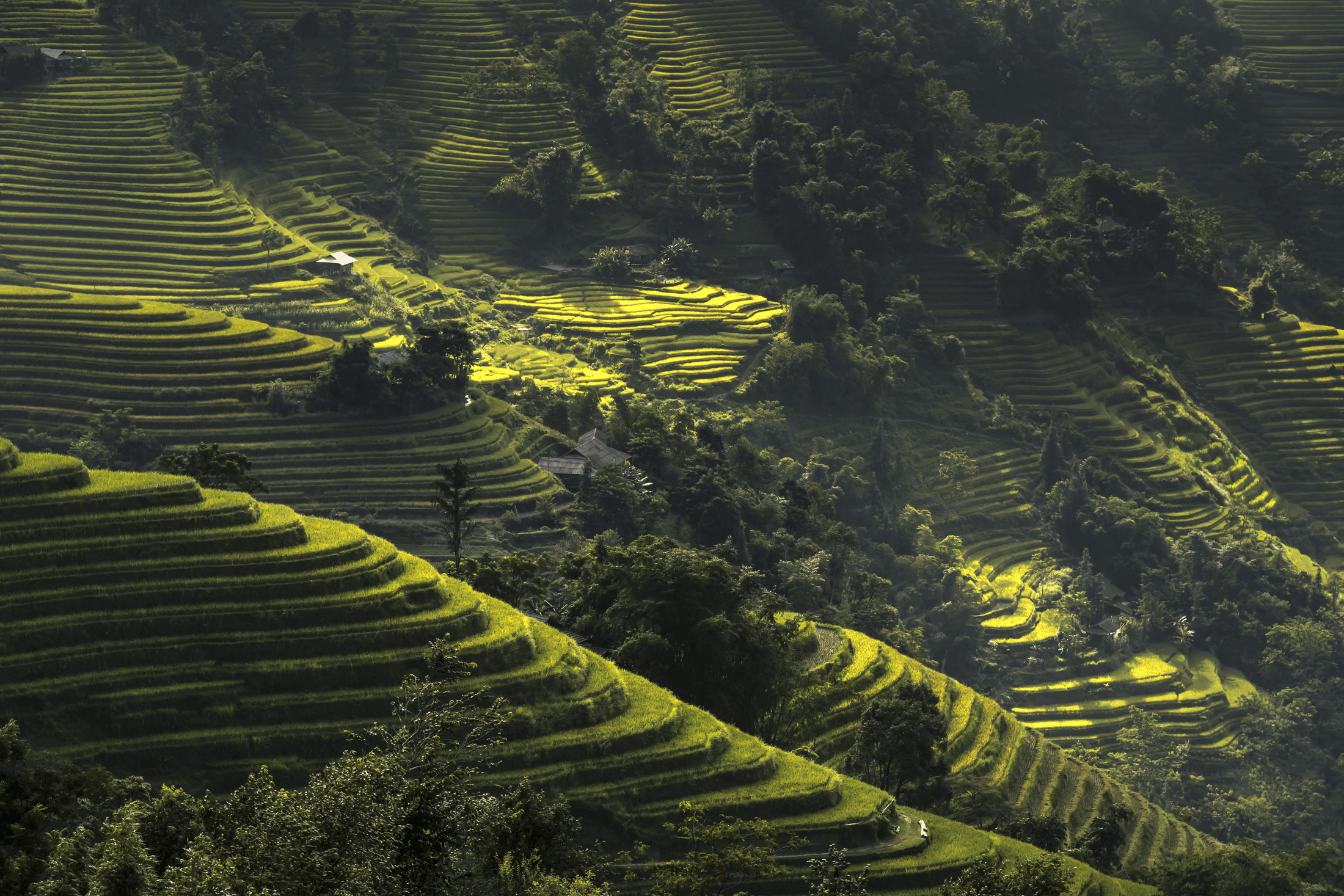
If you’ve ever admired Ha Giang’s dramatic terraced fields clinging to steep slopes, you’ve likely seen the work of the Hmong people, the largest ethnic group in the province.
Originally migrating from China centuries ago in search of independence, the Hmong have mastered life at high altitudes. They are true mountain people, farming some of the harshest terrain in Vietnam with remarkable resilience.
What makes the Hmong stand out?
- Vibrant hand-embroidered clothing, filled with floral patterns and geometric designs
- The haunting sound of the khèn flute, a traditional six-piped instrument used in courtship, festivals, and funerals
- A strong sense of community and family, where stories and traditions are still passed down by the fire
- An unbreakable spirit, shaped by generations of hard mountain living
One of the best ways to experience Hmong culture is at Meo Vac Sunday Market, where families arrive in full traditional dress to trade textiles, produce, livestock and stories.
Here, culture isn’t performed for tourists. It’s simply lived.
If the Hmong belong to the mountains, the Tay people belong to the valleys. As you ride through the Ha Giang Loop, their stilt houses standing quietly above rivers and rice fields are a gentle contrast to the dramatic peaks around them.
The Tay are masters of agriculture, especially wet rice farming and fish cultivation, living in close harmony with water and land. Their stilt houses are not only practical protecting against floods and animals but also designed for communal living, where families gather and share daily life.
One of the most beautiful elements of Tay culture is Then singing, a spiritual performance accompanied by traditional instruments, believed to connect humans with ancestors and deities. Their clothing reflects the same elegance: simple, indigo-dyed fabrics with subtle embroidery.
If you’re lucky enough to be welcomed into a Tay home, expect a warm meal of sticky rice, grilled fish, and fresh bamboo shoots a quiet, heartfelt taste of Ha Giang hospitality.
Recognizable by their red headscarves and intricate silver jewelry, the Dao people are among the most visually striking communities on the Ha Giang Loop. But beyond appearance lies a deeply spiritual culture.
The Dao blends Taoist beliefs with animist traditions, creating a rich ritual life that shapes everything from daily routines to major ceremonies. One of the most important is the cap sac ceremony, a powerful coming-of-age ritual for young men, marked by chanting, drumming, and firelit rituals that last for days.
The Dao are also respected as masters of herbal medicine, carrying generations of knowledge about healing plants gathered from the forests. Their homes, often decorated with symbolic carvings, reflect both beauty and belief.
To see Dao culture at its most vivid, visit Hoang Su Phi, where Dao families still cultivate rice on some of the most breathtaking terraced fields in Vietnam.
Small in number but immense in heritage, the Lo Lo people are one of Ha Giang’s most culturally precious communities. Their traditions trace back thousands of years, preserved with remarkable care.
They are best known as the guardians of the bronze drum, a sacred instrument used in rain-calling rituals and spiritual ceremonies. Their polyphonic singing, layered and haunting, feels almost timeless echoing across the mountains during festivals.
Lo Lo villages are also known for their stone houses, built to endure harsh weather and symbolize resilience. If you’re traveling through Dong Van, keep an eye out you might be lucky enough to witness a Lo Lo performance that few travelers ever get to see.
Though less numerous than some other groups, the Nung people stand out for their ingenuity and craftsmanship. They are especially known for their baked clay houses, designed to stay cool in summer and warm in winter an impressive example of sustainable highland architecture.
The Nung live closely with the land, farming, crafting, and passing down skills refined over generations. Their villages offer a quieter, grounded experience of the Ha Giang Loop where life moves steadily, shaped by earth, fire, and tradition.
The Nung people may live quietly among the valleys, but their cultural depth runs deep. Known for their practical skills and strong community bonds, they have shaped life in Ha Giang for generations.
- Masters of weaving and blacksmithing, creating tools and textiles essential to daily life
- Centuries-old rice farming techniques, passed down through families
- Vibrant traditional festivals, filled with music, dancing, and generous communal feasts
To experience Nung culture up close, visit villages around Quan Ba, where you can explore their distinctive clay houses and sample their delicious homemade rice wine, often shared as a gesture of welcome.
Despite thriving in the highlands for centuries, Ha Giang’s ethnic communities are now facing modern pressures.
Globalization, economic growth, and mass tourism bring both opportunity and risk:
- Traditional clothing is increasingly commercialized, sometimes losing its original meaning
- Younger generations are moving to cities, leading to a gradual loss of cultural practices
- Tourism creates income, but can also disrupt traditional lifestyles if not managed responsibly
Fortunately, many local groups and organizations are actively working to preserve these cultures through sustainable tourism, cultural education, and artisan cooperatives, ensuring traditions remain alive, not staged.
Ha Giang’s beauty lies not only in its landscapes, but in its people.
- Ask before taking photos of people or their homes this simple gesture often leads to meaningful conversations
- Dress modestly, especially in villages and markets
- Walk carefully, rice fields are livelihoods, not just photo spots
- Slow down life here moves at its own pace, and patience often opens doors to genuine connections
Markets are the heartbeat of ethnic life in Ha Giang lively, colorful, and full of character.
In places like Meo Vac and Dong Van, people from many ethnic groups gather weekly to trade goods, share food, meet friends, and celebrate community life.
- Try traditional street food and browse handmade crafts
- Bargain politely it’s part of the culture, not a battle
- Don’t hesitate to chat with vendors you might walk away with a story instead of just a souvenir
Learning a few local words goes a long way. And no, we don’t mean just “xin chào” or “cảm ơn.”
Ask your drivers or local guides to teach you greetings in their own ethnic languages. Many of them belong to these communities themselves and are happy to help you connect more deeply.
Even a small effort can spark smiles, laughter, and unforgettable moments because real travel isn’t just about places, it’s about people.
Exploring Ha Giang means stepping into rich cultures and traditions. Here are some common questions travelers often ask:
1. What are the best ethnic markets in Ha Giang?
Meo Vac Market and Dong Van Market are the most famous. Both take place on Sundays and offer traditional fabrics, local food, livestock, and everyday goods.
2. Can I take photos of local people?
Yes but always ask for permission first. A smile and a respectful gesture often lead to warm interactions and meaningful moments.
3. Which are the three largest ethnic groups in Ha Giang?
The H’mong, Tay, and Dao are the largest groups, each with unique customs, clothing, and cultural traditions.
4. Where do Ha Giang’s ethnic minorities live?
Most live in rural villages, mountain areas, and valleys along the Ha Giang Loop, though some work or study in Ha Giang City.
5. Should I book my Ha Giang Loop tour in advance?
Definitely. With Ha Giang Motoventures, we always recommend booking ahead especially during peak seasons.
6. What is it like staying in a homestay on the loop?
Homestays offer a cozy, authentic experience with modern comforts like hot showers, Wi-Fi, comfy beds, friendly hosts, and lively shared dinners.
7. Can I join local crafts and traditions?
Absolutely! In Lung Tam Village, you can try traditional weaving and crafts. Just follow your guide’s advice to respect local customs.
Why do so many guests say it’s worth every penny!
-07a331dc.png)
-007073a5.png)
Things not to do in Ha Giang

